Time : 2026-05-11
Are you looking to expand your steel hangar to accommodate larger aircraft without breaking the bank or facing unnecessary delays? I’m here to guide you through a clear and actionable process focused on practical application. This step-by-step approach will ensure your project is as efficient and effective as possible, ultimately facilitating smoother operations and boosting your business\'s competitiveness.
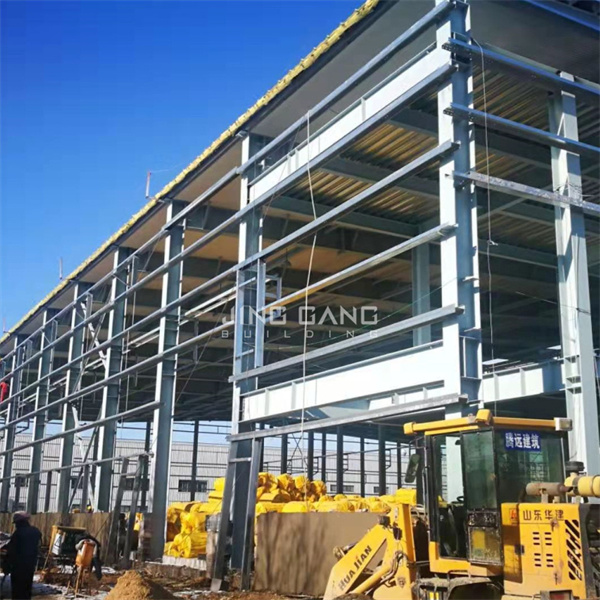
When it comes to expanding a Steel Structure Hangar, the key is to start with a thorough assessment of your current facility and understand the specific modifications necessary. Here’s how to do it:
Begin by taking precise measurements of your existing hangar. You’ll want to focus on:
This initial step is crucial, as it forms the foundation for your expansion plans.
Next, outline the requirements for accommodating larger aircraft. Collaborate with the aircraft operators to gather essential specifications concerning:
Make a list of the necessary upgrades, noting how these improvements will enhance operational efficiency and safety.
I recommend creating a detailed plan that includes:
Utilizing architectural software can simplify your design phase and deliver high accuracy in drafting your hangar expansion.
Your next move involves selecting a contractor experienced in steel structure hangar modifications. It’s essential to verify:
Meeting with contractors to discuss timelines and costs can help mitigate unexpected challenges later on.
Once construction begins, monitor the process closely. Establish communication protocols to ensure:
Make sure to have detailed checklists to follow through at each phase of construction to maintain focus.
While expanding your hangar, potential challenges like unforeseen structural weaknesses or weather-related delays may arise. I recommend:
Utilizing project management tools can streamline this process and keep everything organized.
To enhance your efficiency during this project, consider using:
To successfully expand an existing steel hangar to accommodate larger aircraft, follow these steps diligently. Focus on assessing your current space, determining specifications, planning carefully, engaging qualified contractors, executing the project with precision, and adapting to any challenges. By taking immediate action on these recommendations, you’ll ensure your business stays competitive in a demanding aviation landscape.
For further information on creating efficient steel structures, check out resources available at Jinggang.
With a proper foundation laid for expanding your hangar, you will not only meet growing aviation demands but also enhance your operational capacity significantly—ultimately leading to greater business success. Don’t wait; start planning your expansion today!
Latest news

How Can Buyers Verify Steel Fabrication Tolerances?
Buyers can verify steel fabrication tolerances by comparing measured component dimensions, hole locations, member straightness, squareness, and connection geometry against the approved drawings and the tolerances specified in the project documents.
Read More
What Should Steel Structure Welding Inspection Cover?
Steel structure welding inspection should cover material identification, joint preparation, welding procedure compliance, welder qualifications, weld appearance and dimensions, required nondestructive testing, defect repair, and final documentation.
Read More
How Should Steel Column Base Plates Be Leveled?
Steel column base plates should be leveled and positioned according to the approved structural drawings, anchor-bolt layout, specified elevation, and erection tolerances before the column connection is finalized.
Read MoreRecommended Products